Hey there, to all sunshine lovers! Ever wondered why that golden glow from the sun makes you feel so good, vibrant & Energetic? It’s not just about the tan—Vitamin D is the real superhero here!
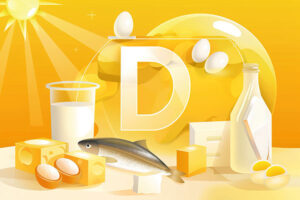
Let’s talk about Vitamin D:
Vitamin D is one of many vitamins your body needs to stay healthy. Vitamin D makes our bodies better at absorbing other nutrients, namely calcium and phosphorus, both important for bone health. Vitamin D also helps to restore and maintain the calcium in our bones, where 99% of it resides. Without sufficient vitamin D, bones can become weak and fragile.
What happens if it is low?
When vitamin D levels are low and the body can’t properly absorb calcium and phosphorus, there is an increased risk of
- bone pain,
- bone fractures,
- muscle pain, and
- muscle weakness.
In older adults, severe vitamin D deficiency (levels less than 10 ng/mL) may also contribute to an increased risk of falls.
Vitamin D deficiency: 10 symptoms you shouldn’t ignore
- Fatigue and muscle weakness: Feeling tired or lacking energy, even after resting.
- Bone or joint pain: Experiencing discomfort or pain in bones, joints, or muscles.
- Mood changes: Noticing increased irritability, anxiety, or depression.
- Sleep difficulties: Struggling with insomnia or restless sleep.
- Slow healing: Taking longer than usual to recover from injuries or infections.
- Hair loss: Experiencing unusual hair thinning or falling.
- Skin issues: Dealing with acne, psoriasis, or eczema.
- Weakened immune system: Frequently getting sick or having infections.
- Digestive problems: Experiencing bloating, constipation, or diarrhoea.
- Cognitive impairment: Noticing memory lapses, confusion, or difficulty concentrating.
Please note that some people may not exhibit any symptoms at all, even if they have a deficiency. If you’re concerned, consult a healthcare professional for personalized advice! —
Vitamin D: The essential nutrient with numerous benefits
Vitamin D is an essential nutrient that offers numerous benefits for overall health. Some of the key advantages of vitamin D include:
- Bone Health: Vitamin D helps maintain strong bones by regulating calcium levels.
- Immune System: Vitamin D supports immune function, reducing the risk of infections and diseases.
- Mood Regulation: Vitamin D influences mood, reducing the risk of depression and anxiety.
- Cancer Prevention: Research suggests vitamin D may help prevent certain types of cancer.
- Heart Health: Vitamin D may help lower blood pressure and reduce the risk of heart disease.
- Autoimmune Disease Prevention: Vitamin D may help prevent autoimmune diseases like multiple sclerosis and type 1 diabetes.
- Improved Cognitive Function: Vitamin D may improve cognitive function and reduce the risk of dementia.
- Reduced Inflammation: Vitamin D has anti-inflammatory properties, reducing inflammation and improving overall health.
- Better Sleep: Vitamin D may help regulate sleep patterns and improve sleep quality.
- Overall, Health: Vitamin D is essential for maintaining overall health and well-being.
Vitamin D: Sources and Ways to Boost Your Intake
- Sunlight: Exposure to
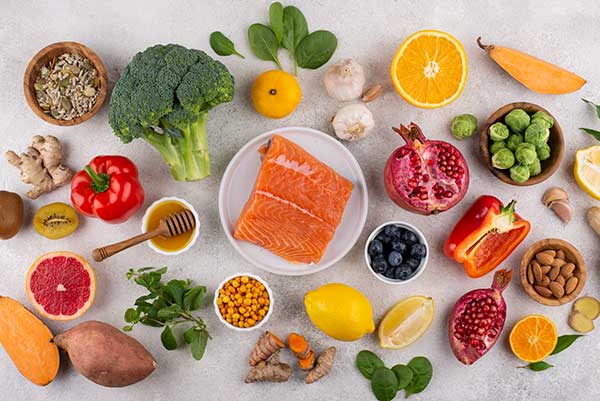 natural sunlight triggers vitamin D production in the skin.
 - Salmon: Fatty fish like salmon are rich in vitamin D, with a 3-ounce serving providing 450 IU.
- Mackerel: Another fatty fish, mackerel is a good source of vitamin D, with 360 IU per 3-ounce serving.
- Sardines: These small, oily fish are packed with vitamin D, offering 250 IU per 3-ounce serving.
- Fortified Milk: Many types of milk are fortified with vitamin D, providing 100-150 IU per cup.
- Cod Liver Oil: A rich source of vitamin D, cod liver oil offers 1,360 IU per tablespoon.
- Egg Yolks: Some egg yolks are fortified with vitamin D, providing 40-50 IU per large egg.
- Mushrooms: Certain mushrooms, like shiitake and portobello, are exposed to UV light to boost vitamin D content, offering 100-200 IU per 3-ounce serving.
- Fortified Orange Juice: Some brands of orange juice are fortified with vitamin D, providing 100 IU per cup.
- Vitamin D Supplements: Available in various forms, including D2 and D3, vitamin D supplements can help meet daily needs.
Vegetarian Vitamin D Alternatives
- Mushrooms (shiitake, portobello, button): 100-200 IU per 3 oz serving
- Fortified Plant-Based Milk (soy milk, almond milk, oat milk): 100-150 IU per cup
- Fortified Cereals: 100-150 IU per serving
- Fortified Orange Juice: 100 IU per cup
- Tofu (fortified): 80-100 IU per 3 oz serving
- Fortified Yogurt (soy yogurt, coconut yogurt): 80-100 IU per cup
- Vitamin D-Fortified Nutritional Yeast: 60-80 IU per tablespoon
- Fortified Energy Bars: 50-80 IU per bar
- Fortified Vegan Cheese: 50-80 IU per oz
- Vegetarian Vitamin D Supplements (D2 or D3): varies by product
Please note that the IU (International Units) values may vary depending on the specific product and brand. Always check the labels to ensure the product is fortified with vitamin D and suitable for your dietary needs.
Got your interest? Let’s dive into the fun and fabulous world of vitamin D and see why it’s so crucial for our health! 🌞✨
https://youtube.com/shorts/Xq-5RRgFidU?si=FOy4t2Yx_POayO8p
To get a proper balanced nutritional plan send a DM we will get in touch with you