
One of the ways to stay healthy and fit is by eating the right food and choosing the right ingredients. To live a healthy and risk-free life, food is important.
- Pulses provide protein and fibre, as well as a significant source of vitamins and minerals, such as iron, zinc, folate, and magnesium, and consuming half a cup of beans or peas per day can enhance diet quality by increasing intakes of these nutrients.
- Pulses too is an important ingredient. As basic as pulses are important. Pulses form the basic dish of the meal. Pulses are a vital food crop for many reasons

Protein
Pulses are a great source of protein, which is essential for building and replacing muscle. They are especially important in regions where meat and dairy are not readily available
Health benefits
Pulses may have other health benefits, including improving serum lipid profiles, reducing the risk of chronic diseases, and helping to maintain healthy blood glucose and insulin levels
Weight management
Pulses are low fat and high fibre, and have a low glycaemic index, making them suitable for people with diabetes. They can help to stabilize blood sugar and insulin levels and increase satiety.
We need to consume in moderate manner, Excessive of anything is bad. There are certain rules on how to consume pulses in the right manner.
- Soak and sprout before cooking
- Use right ratio of pulses and grains (1:3) / pulses and millets (1:2), in cooking
- Have at least 5 types of pulses/ legumes every week and in 5 different forms every month
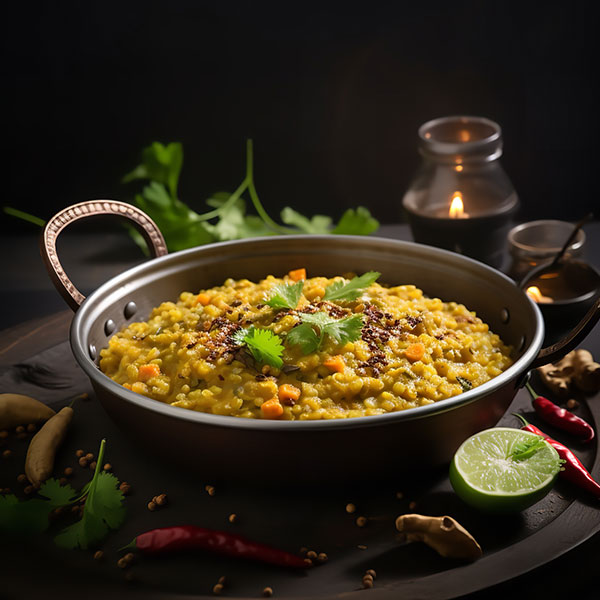
Dal chawal is amongst the oldest foods in the Indian tradition.
- Rule 1: Soaking and sprouting them before cooking, to reduce the anti-nutrients and allow for optimum enzyme action to break them down. Pulses are rich sources of protein, vitamins and minerals, but it’s not quite easy to assimilate the amino acids from them.
- Rule 2: Mixing them with millets and grains to improve their essential to non-essential amino acid ratio. The ratio is 1:3 when you use it with rice and 1:2 when you use it with a mixture of millets and grains.
- Rule 3: Having a wide variety of pulses and having them in different forms optimize intake of all nutrients.
India has more than 65000 varieties of pulses and legumes. A wide variety of pulses (at least 5 different types in a week) when eaten in different ways (as dal, papad, pickle, idlis, dosa, laddoo, halwa, etc.) ensures that we get the diet diversity needed for healthy gut bacteria.
So, to summarize pulses are a powerhouse of nutrition, and to get the best out of them. Follow the above suggested three tested rules.
Check out this post for more details